Skip to content

Topics: Medicine, Pharmaceuticals

  • Lymphoma patients at high risk of infections after diagnosis

    Every year, around 100 people are affected by mantle cell lymphoma. A study at Uppsala University shows that these patients are more vulnerable to other diseases and that the risk of infection for this type of patient should therefore be carefully evaluated. The results of the study have been published in the journal Hemasphere.

  • New discovery concerning occurrence of antibiotic resistance

    A new study shows how heteroresistance, a transient resistance common in many bacteria, can act as a precursor to the development of antibiotic resistance. According to researchers at Uppsala University, this is the first time this link has been demonstrated.

  • Double risk of dementia after mouth ulcer virus

    People who have had the herpes virus at some point in their lives are twice as likely to develop dementia compared to those who have never been infected. A new study from Uppsala University confirms previous research on whether herpes can be a possible risk factor for dementia.

  • Difficult decisions led to unequal vaccination rates

    There was a significant difference in the speed with which different groups were vaccinated against COVID-19. One explanation could be that people absorb information and make decisions in different ways. A new study shows that among people with the highest cognitive ability, 80% had been vaccinated within 50 days. Among those with the lowest cognitive ability, it took 180 days to achieve the same

  • Personalised blood pressure treatment more effective

    Patients treated with blood pressure-lowering drugs can experience much greater improvements from a change of medication than from doubling the dose of their current medication. This is shown by a new study from Uppsala University, published in the Journal of the American Medical Association. In this study, 280 patients tested four different blood pressure-lowering drugs over the course of a year.

  • Oral contraceptives and hormone therapy increase the risk of stroke

    Oral contraceptives and hormone therapy at menopause increase the risk of stroke. The increased risk is greatest during the first year of treatment and then declines. The study, which is now published in Stroke, is based on data from over a quarter of a million women from the UK Biobank database.

  • More chemicals, fewer words: exposure to chemical mixtures during pregnancy alters brain development

    By linking human population studies with experiments in cell and animal models, researchers have provided evidence that complex mixtures of endocrine disrupting chemicals impact children’s brain development and language acquisition. With their novel approach, the scientists show that up to 54 per cent of pregnant women were exposed to experimentally defined levels of concern.

  • Promising molecule for treatment of COVID-19

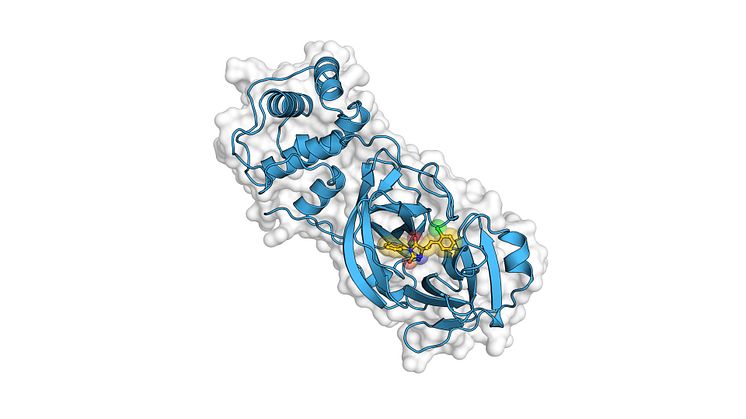
    Uppsala researchers have succeeded in designing a molecule that inhibits the replication of coronaviruses and that has great potential for development into a drug suitable for treating COVID-19. The molecule is effective against both the new variant and previously identified coronaviruses. The article has been published in the Journal of the American Chemical Society.

  • Hunt for the protein TGM1 led to disease discovery

    Searching for the protein TGM1 among patients with autoimmune skin diseases, researchers have identified a separate disease that can be linked to autoimmunity against TGM1. This backward method demonstrates a new way of identifying autoantigens as markers for serious diseases. By letting autoantigens point to the disease, diagnosis and treatment can be facilitated, shows study published in PNAS.

  • Expectations and dopamine can affect outcome of SSRI treatment

    Levels of dopamine and placebo effect can determine whether social anxieties improve when treated with SSRIs. The effect was four times higher for patients with high expectations compared with low expectations, even though the groups received the same medical treatment. Although SSRIs influence levels of serotonin in the brain, the effects on dopamine had the greatest impact for improvement.

  • T-cell tests unreliable in establishing previous COVID-19

    Can T-cell tests be used to determine whether people have had COVID-19? Scientists at Uppsala University and Karolinska Institutet have jointly analysed this issue under the aegis of the COMMUNITY study at Danderyd Hospital. Their study is published in the scientific journal PLOS ONE.

  • New method used to study how cancer cells are organised

    Changes in individual cancer cells over time may explain why brain tumours develop so differently, and why some cancer cells are resistant to certain treatments. To track the development of cancer cells, researchers at Uppsala University have devised a new method that, in the long term, may make it easier to develop new, effective drug combinations.

  • History of human antibiotic use written in the oral bacteria of wild brown bears

    An international team of researchers used historical museum collections to study the effects of human-made antibiotics over the entire history of their application. They found that the increased use of antibiotics in medicine and agriculture in the 1950-1990s led to increases in antibiotic resistance in wild Swedish brown bears. However, the latest 20 years show a downward trend in resistance.

  • Method for discovery of antiviral drugs

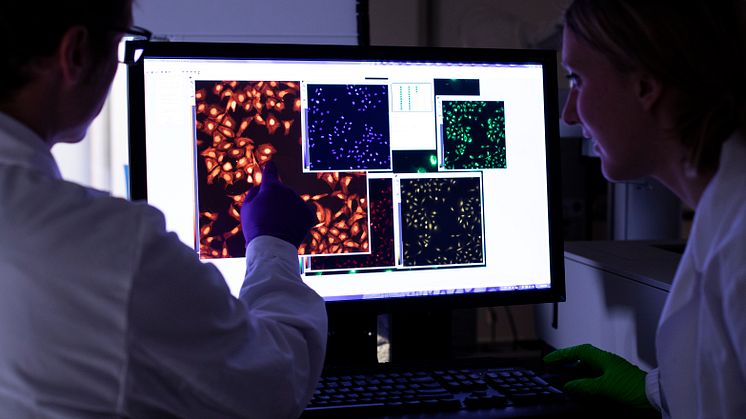
    The current COVID-19 pandemic has highlighted the need for methods to identify new or repurposed drugs as antivirals. Researchers at Uppsala University and Karolinska Institutet are now presenting a new screening approach that focuses on the identification of virus-specific morphological changes in virus-infected cells.

  • A single cell type map of human tissues

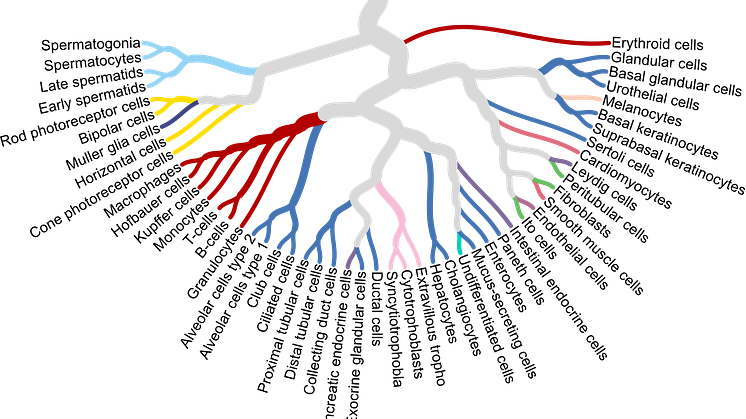
    In a study published in the US journal Science Advances, a single cell type map of human tissues is presented. An open access atlas has been launched with more than 250,000 interactive plots to allow researchers to explore the expression in individual single cell types for all protein-coding genes in these tissues.

  • Newly discovered immune cell function vital to healing

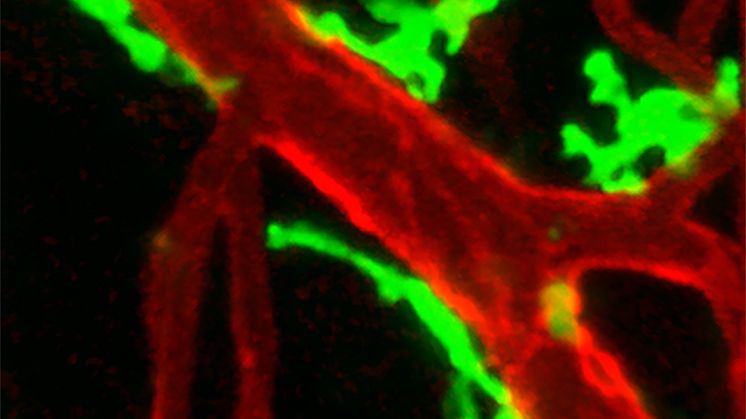
    Researchers at Uppsala University have now discovered that one of the most common immune cells in the human body, macrophages, play an important role in re-establishing and controlling blood flow, something that can be used to develop new drugs.

  • New model can predict how bacteria develop antibiotic resistance

    Using theoretical models of bacterial metabolism and reproduction, scientists can predict the type of resistance that bacteria will develop when they are exposed to antibiotics. This has now been shown by an Uppsala University research team, in collaboration with colleagues in Cologne, Germany. The study is published in the journal Nature Ecology and Evolution.

  • Beta blockers can repair malformed blood vessels in the brain

    Propranolol, a drug that is efficacious against infantile haemangiomas (“strawberry naevi”, resembling birthmarks), can also be used to treat cerebral cavernous malformations, a condition characterised by misshapen blood vessels in the brain and elsewhere. This has been shown by researchers at Uppsala University in a new study published in the scientific journal Stroke.

  • New clues to how SARS-CoV-2 infects cells

    The molecular details of how SARS-CoV-2 enters cells and infects them are still not clear. Researchers at Uppsala University have tested the bioinformatic predictions made by another research group and have identified receptors that could be important players in the process. The results are presented in the journal Science Signaling and at the AAAS Annual Meeting held this week.

  • Faulty metabolism of Parkinson’s medication in the brain linked to severe side effects

    Until now, the reason why the drug levodopa (L-Dopa), which reduces the motor symptoms of Parkinson’s disease, declines in efficacy after a few years’ use has been unknown. A side effect that then often occur is involuntary movements. A Swedish–French collaboration, led from Uppsala University, has now been able to connect the problems with defective metabolism of L-Dopa in the brain.

Show more