Skip to content

Topics: Nature and environmental control

  • Eight new deep-sea species of marine sponges discovered

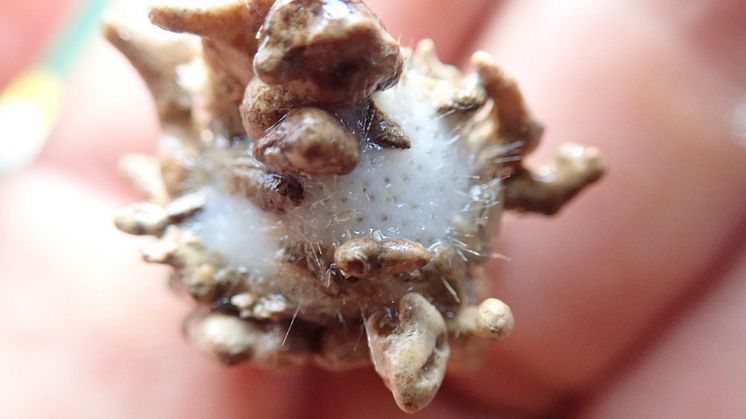
    Despite marine sponges being widespread on our planet, their biodiversity and distribution is still poorly known. Even though the Mediterranean Sea is the most explored sea on Earth, a study by Díaz et al. (2024) reveals the presence of new sponge species and new records in unexplored habitats such as underwater caves or mountains around the Balearic Islands.
  • Old World flycatchers’ family tree mapped

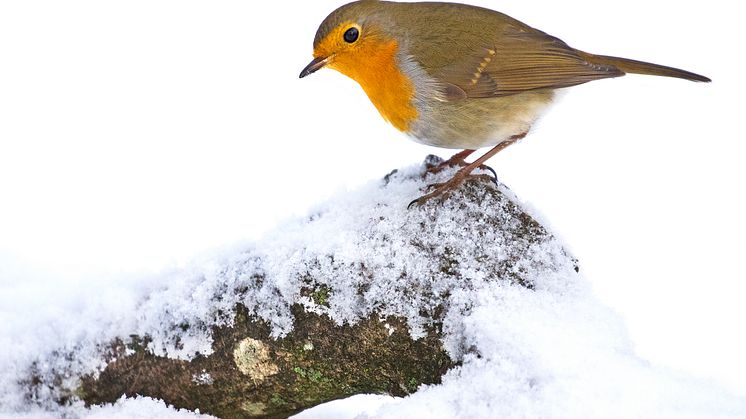
    The European robin’s closest relatives are found in tropical Africa. The European robin is therefore not closely related to the Japanese robin, despite their close similarity in appearance. This is confirmed by a new study of the Old World flycatcher family, to which these birds belong. The study comprises 92 per cent of the more than 300 species in this family.

  • ​Multigenerational effects of environmental toxins

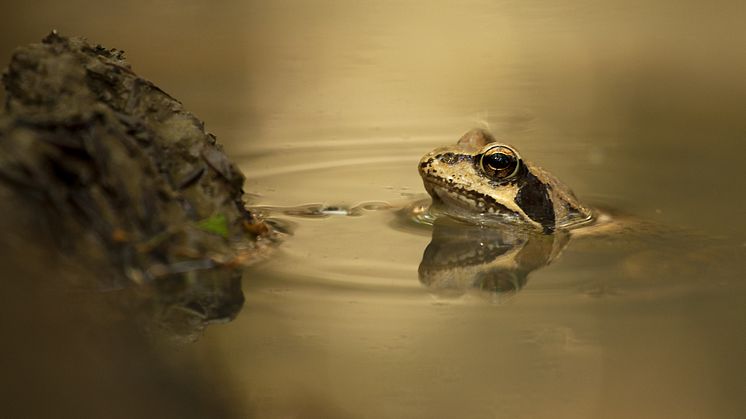
    The effects of the endocrine disruptor linuron on frogs are not limited to those exposed, but are passed on to their offspring (reduced body weight and decreased fertility) and grand-offspring (increased body weight and a disrupted metabolism). This is demonstrated by a new study (Uppsala University and Stockholm University), published in the journal Science of the Total Environment.

  • ​Fungal infection hinders frog’s mobility

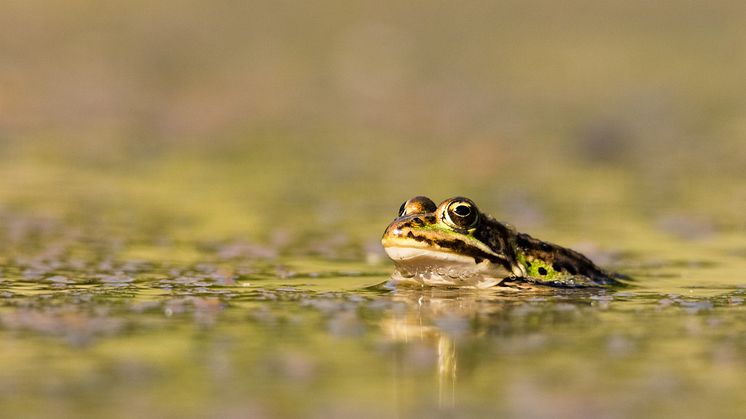
    Pool frogs infected with the parasitic chytrid fungus Batrachochytrium dendrobatidis range over shorter distances. This is the conclusion of a study conducted by researchers at Uppsala University and the Swedish University of Agricultural Sciences (SLU), who have investigated how the fungus affects the mobility of the red-listed pool frog along the Uppland coast.

  • Scottish badgers highlight the complexity of species responses to environmental change

    In a new study researchers have found that although warmer weather should benefit badger populations, the predicted human population increase in the Scottish highlands is likely to disturb badgers and counteract that effect. These results emphasise the importance of interactive effects and context-dependent responses when planning conservation management under human-induced environmental change.

  • Studies of one of the world’s rarest birds, the Rufous-headed Robin

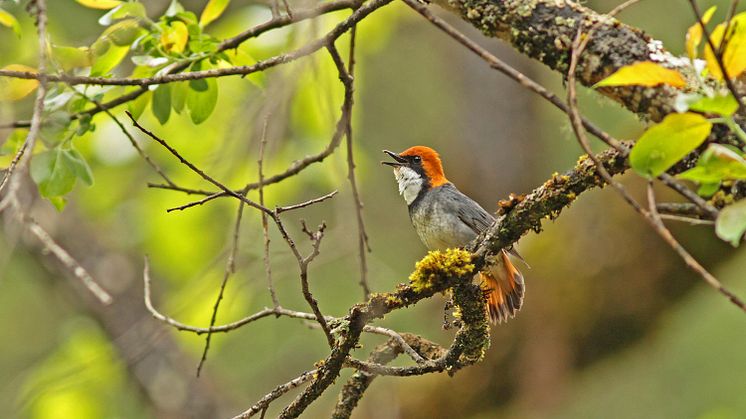
    Researchers at the Chinese Academy of Sciences in Beijing and Uppsala University, Uppsala, Sweden have put together all known information about the endangered Rufous-headed Robin. Very few observations have been made since it was first discovered in 1905. The researchers suggest that its distribution might be larger than previously thought.

  • Uppsala Health Summit publishes pre-conference report

    For the upcoming Uppsala Health Summit on antibiotic resistance, 2–3 June, a report has now been published focusing on some of the most pressing issues and challenges. The aim of the meeting is to move the discussion forward, from the ‘what’ to the ‘who’ and ‘how’.

  • Grazers and pollinators shape plant evolution

    It has long been known that the characteristics of many plants with wide ranges can vary geographically, depending on differences in climate. But changes in grazing pressure and pollination can also affect the genetic composition of natural plant populations, according to a new study.